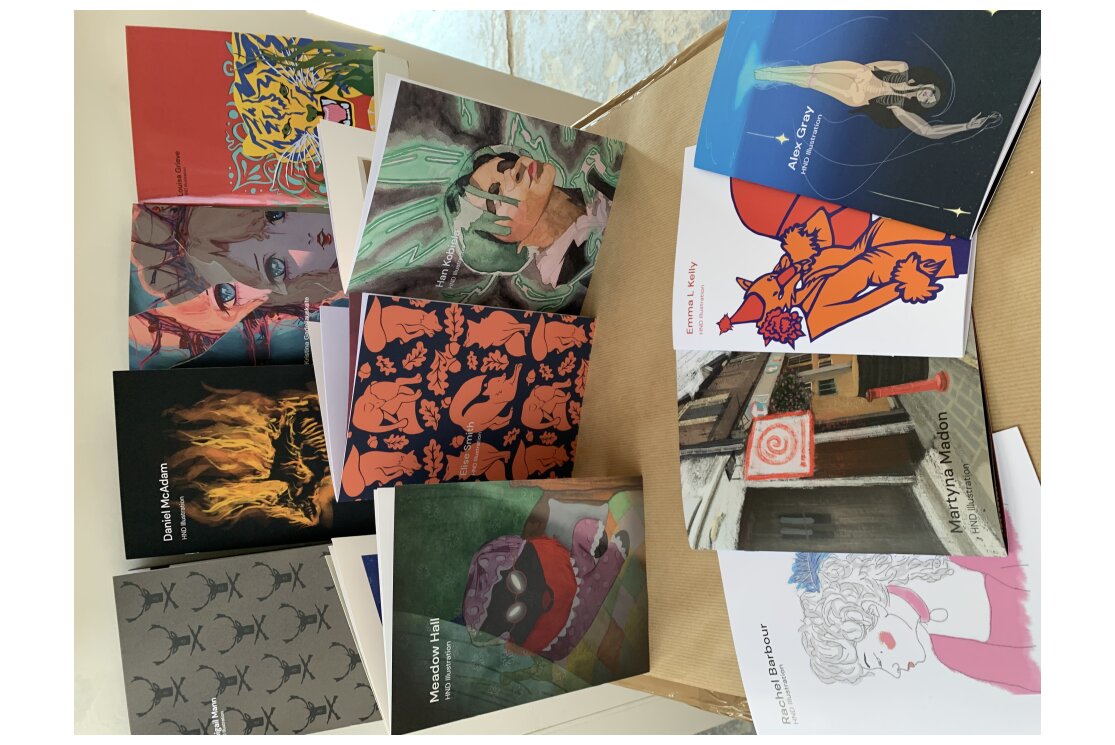
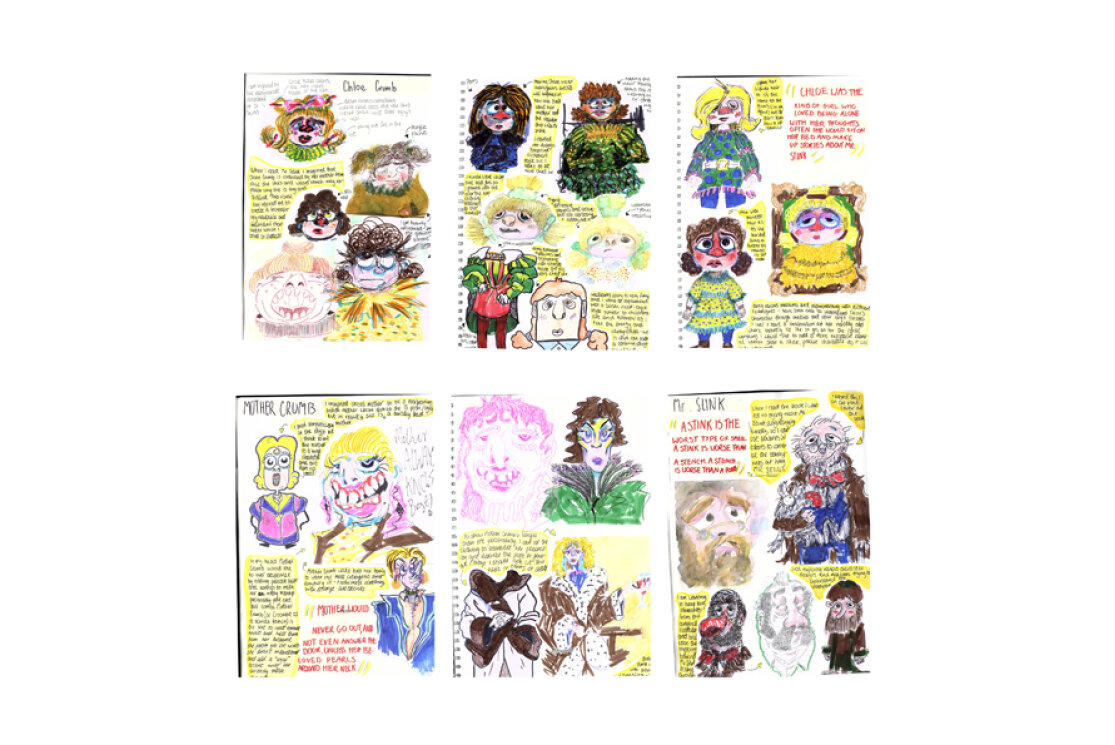
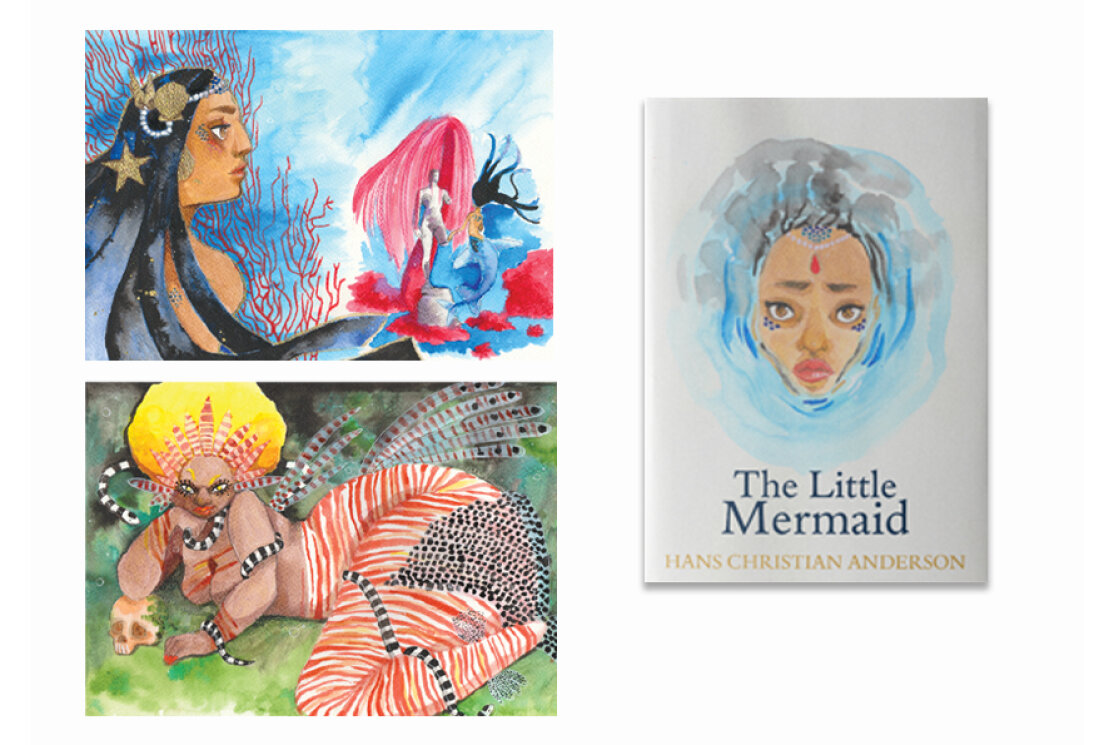
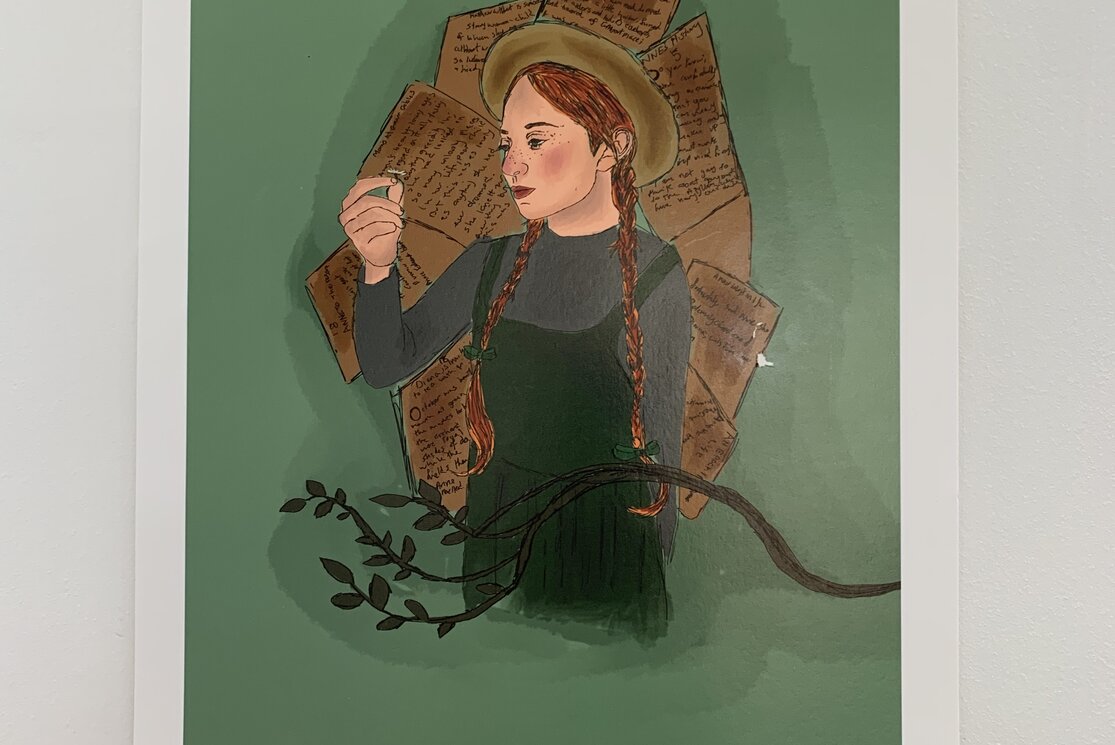
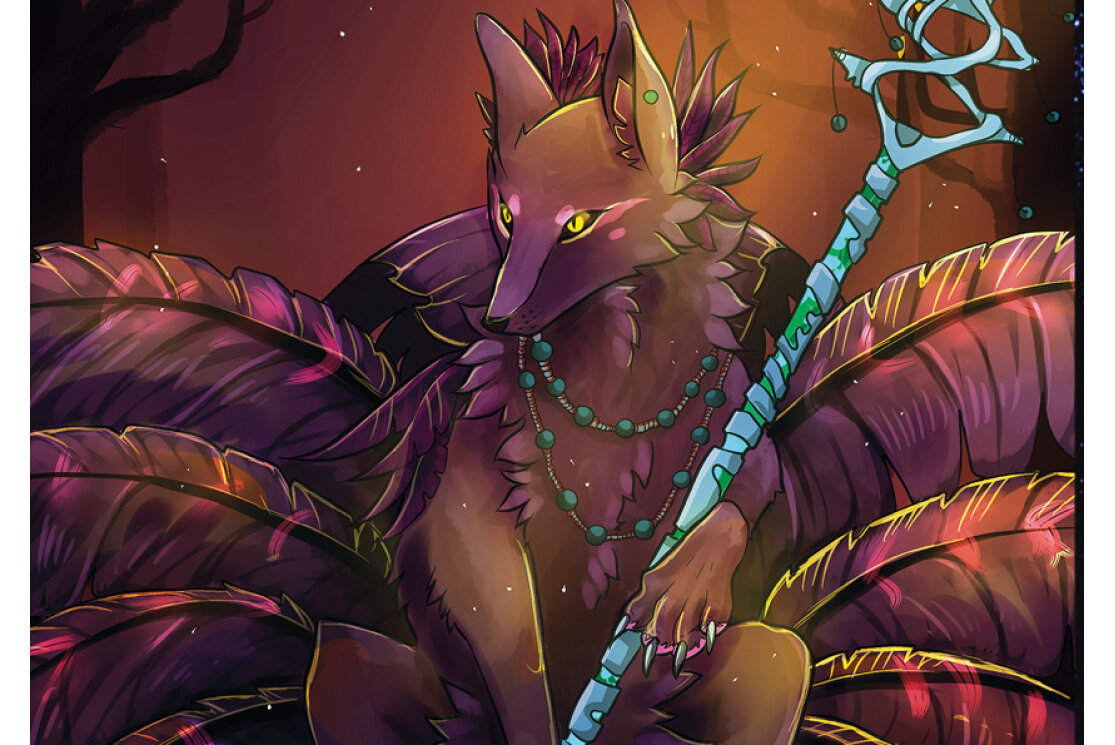
HND Illustration
- Location
- Cardonald Campus
- SCQF Level
- 8
- Start Date
- 24 Aug 2026
- Qualification Type
- HND
- Course Type
- Full-Time
- Duration
- 2 Years (August to June)
Course now Full
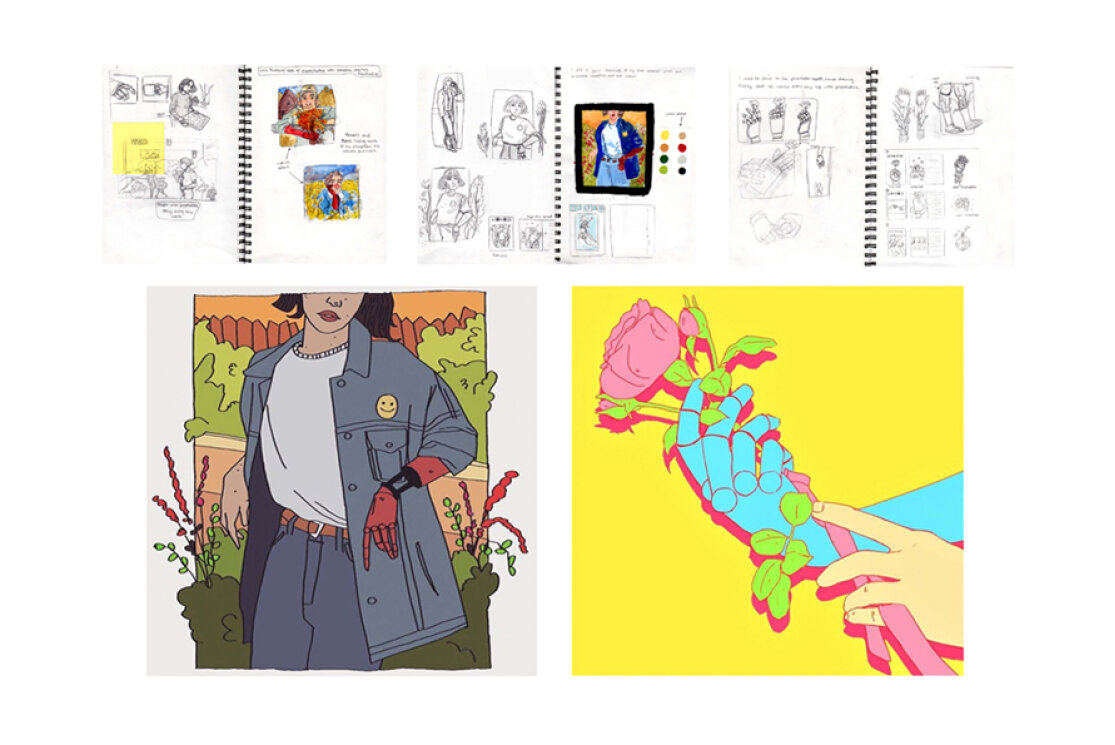
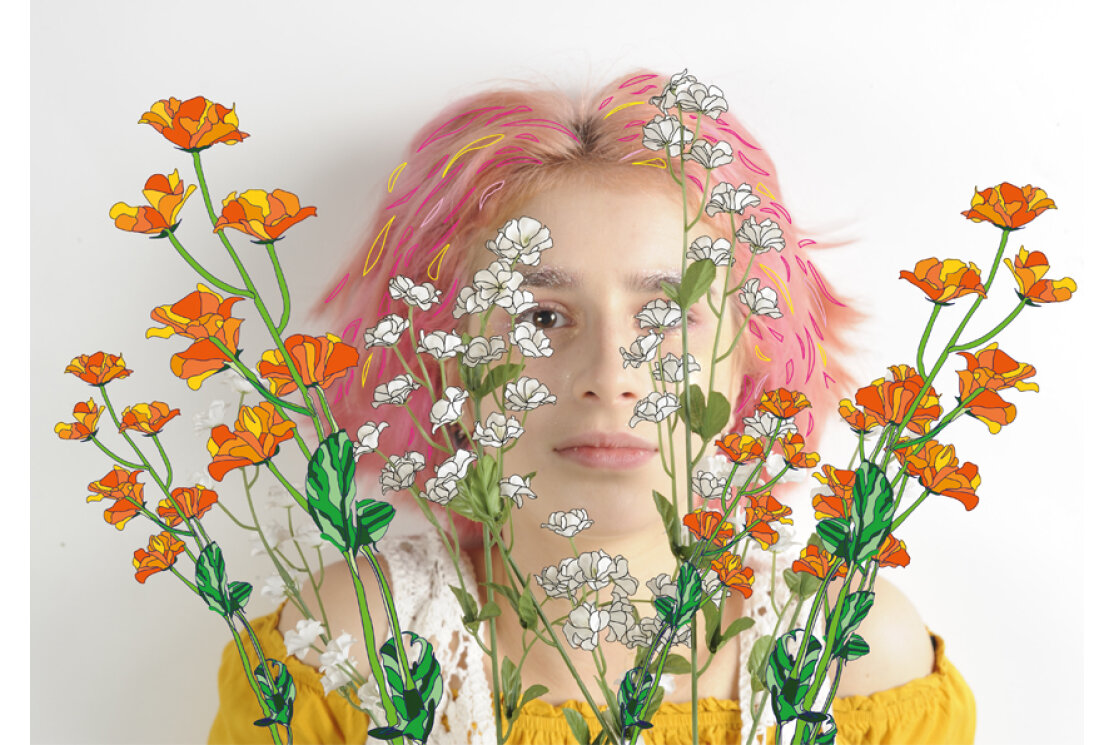
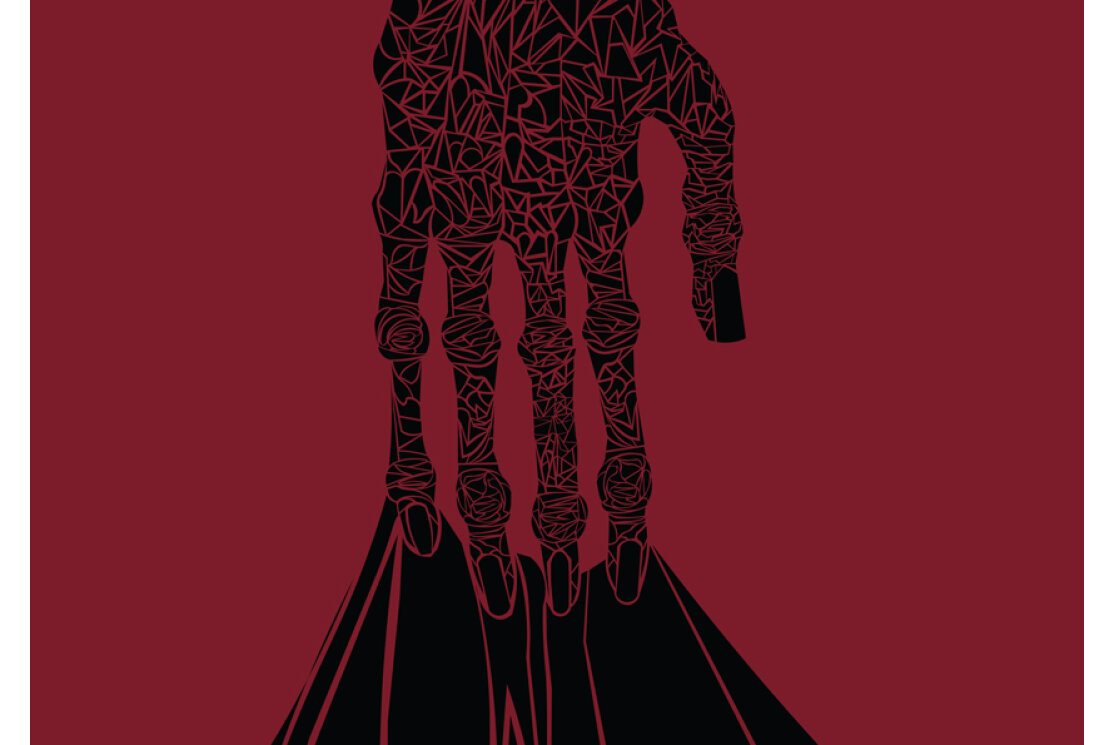
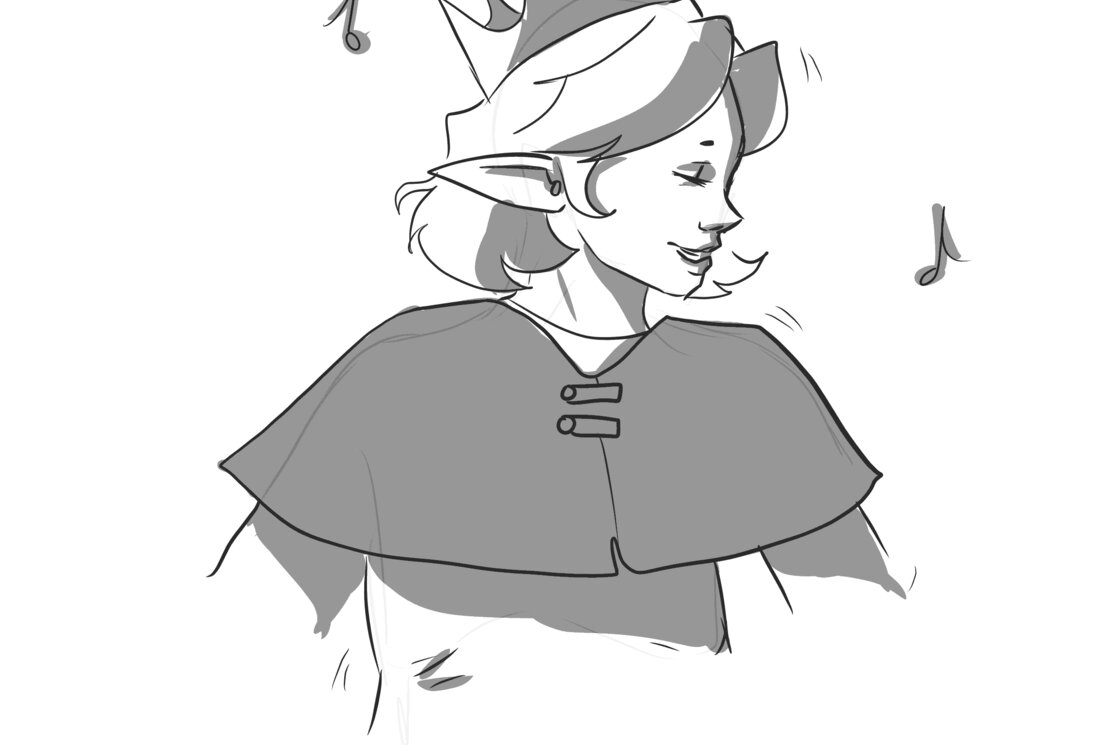
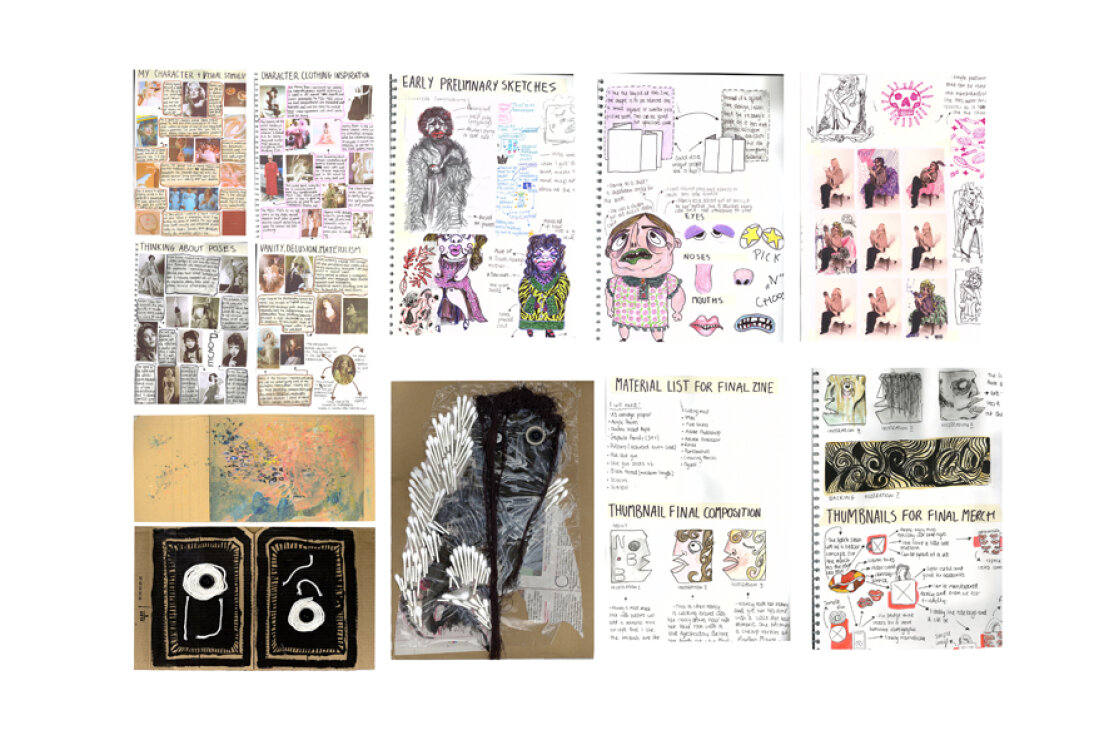
Do you see the world through a sketchbook? Do your ideas take shape through drawing and visual storytelling? Our HND Illustration course is your launchpad into the vibrant, ever-evolving world of illustration. From real-world briefs and publishing projects, to storyboarding adventures and bringing characters to life, you’ll explore the full spectrum of possibilities.
Discover a playground of techniques, mixing digital wizardry with hands-on craft, and develop your unique style along the way. This is where your natural talent meets professional skills, preparing you either for further study at degree level or a dynamic career as an illustrator in the creative industries. Just bring your imagination...
What will I learn?
On the HND Illustration course, you’ll immerse yourself in the vibrant world of illustration – from initial sketches and concept art to fully realised, professional works. This course is centered on exploration, experimentation, and pushing creative boundaries. You’ll develop your own artistic voice while mastering industry-standard digital and traditional illustration tools, discovering how innovative ideas come together to shape the illustration industry of tomorrow.
Creativity, drawing and craft are at the core of everything you do. You’ll be encouraged to take risks, think imaginatively, and challenge visual conventions, while building the practical skills and confidence needed for a dynamic creative career, whether you’re beginning your journey or exploring a new artistic direction.
In year one of HND Illustration, you'll study:
- Mixed media
Experiment with diverse media, combining traditional and digital techniques to create expressive, innovative artwork that showcases personal creativity and bold experimentation. - Observational drawing
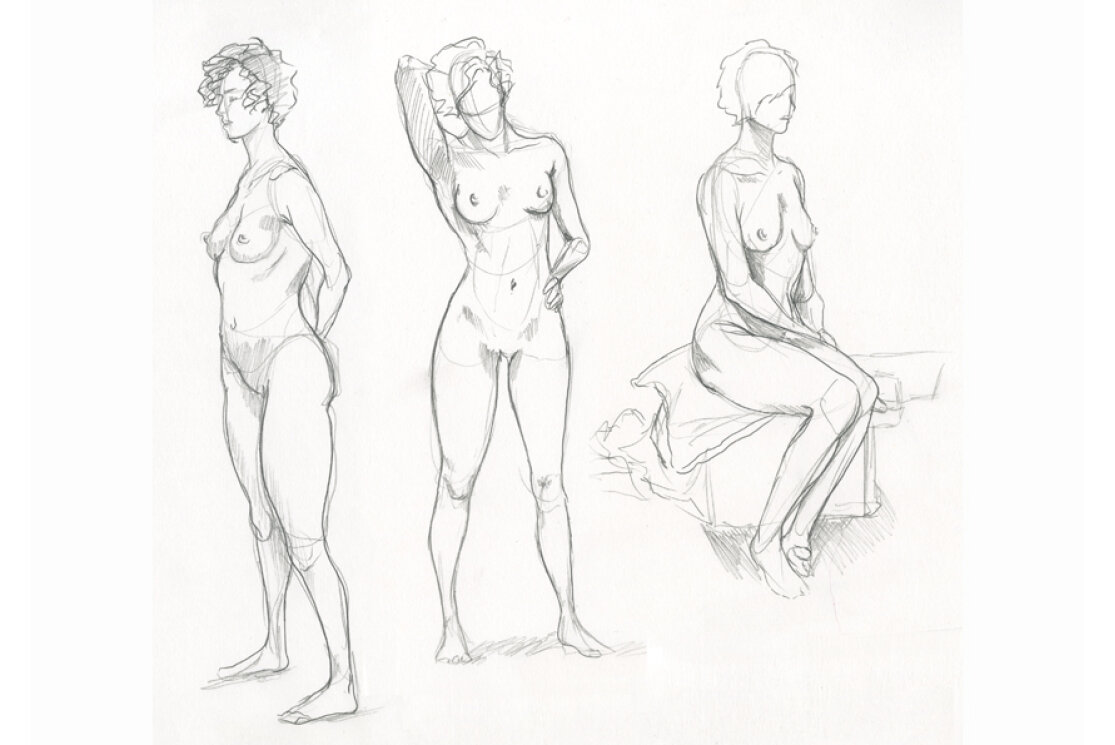
Develop observational drawing skills through capturing life form, proportion, and gesture while building confidence, precision and expressive mark-making. - Digital imaging
Explore digital imaging tools to create vibrant illustrations and compositions, combining creativity, technology, and technical skill to communicate ideas effectively. - Art and design context
Study historical and contemporary art contexts, building critical awareness that informs your practice, inspires ideas and strengthens creative decision-making confidently. - Art and design project
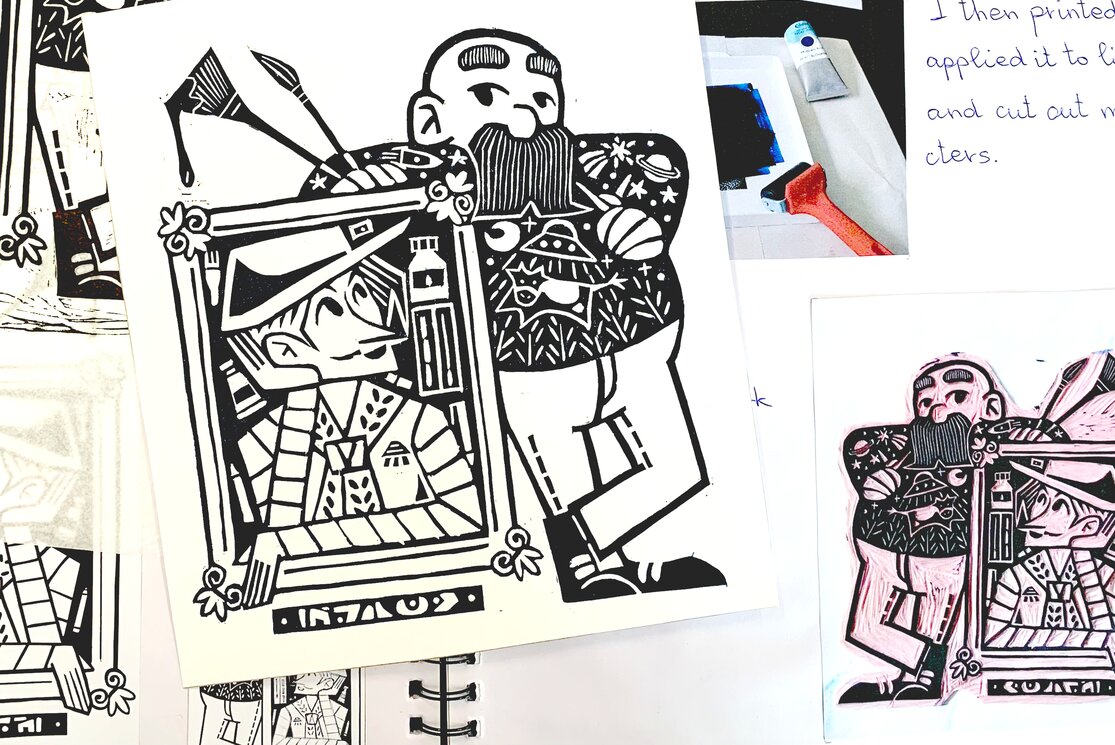
Apply skills in a self-directed project, developing concepts from research to final artwork while demonstrating ambition, focus and originality. - Printmaking and producing print
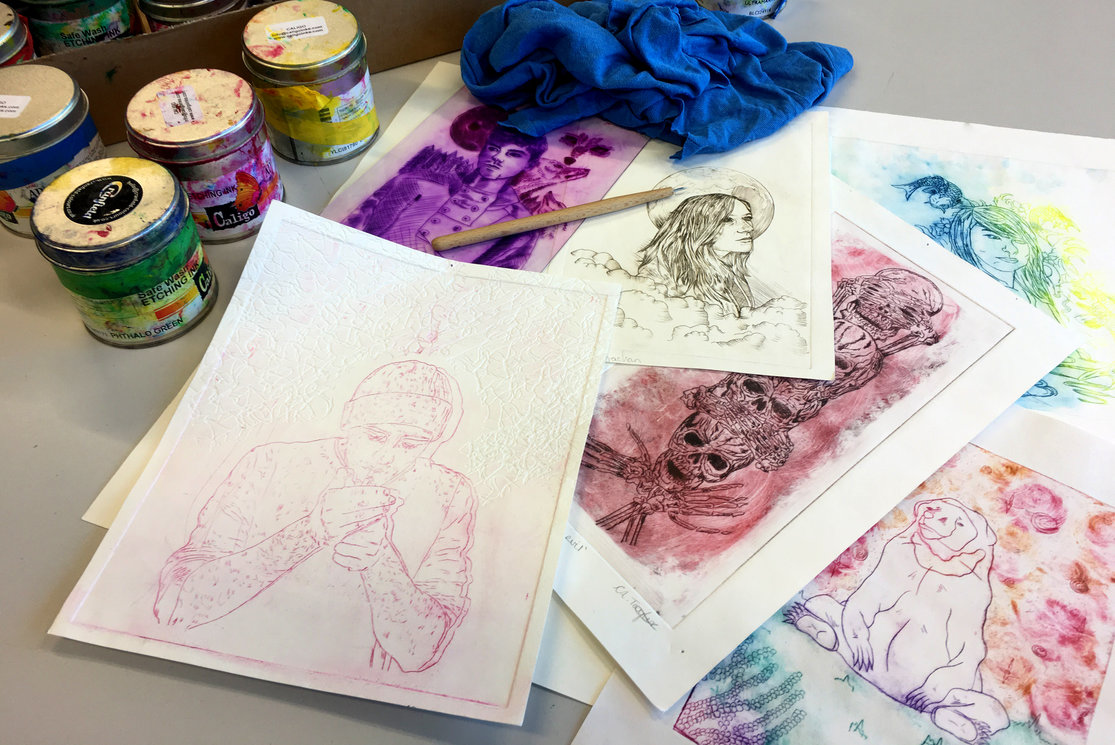
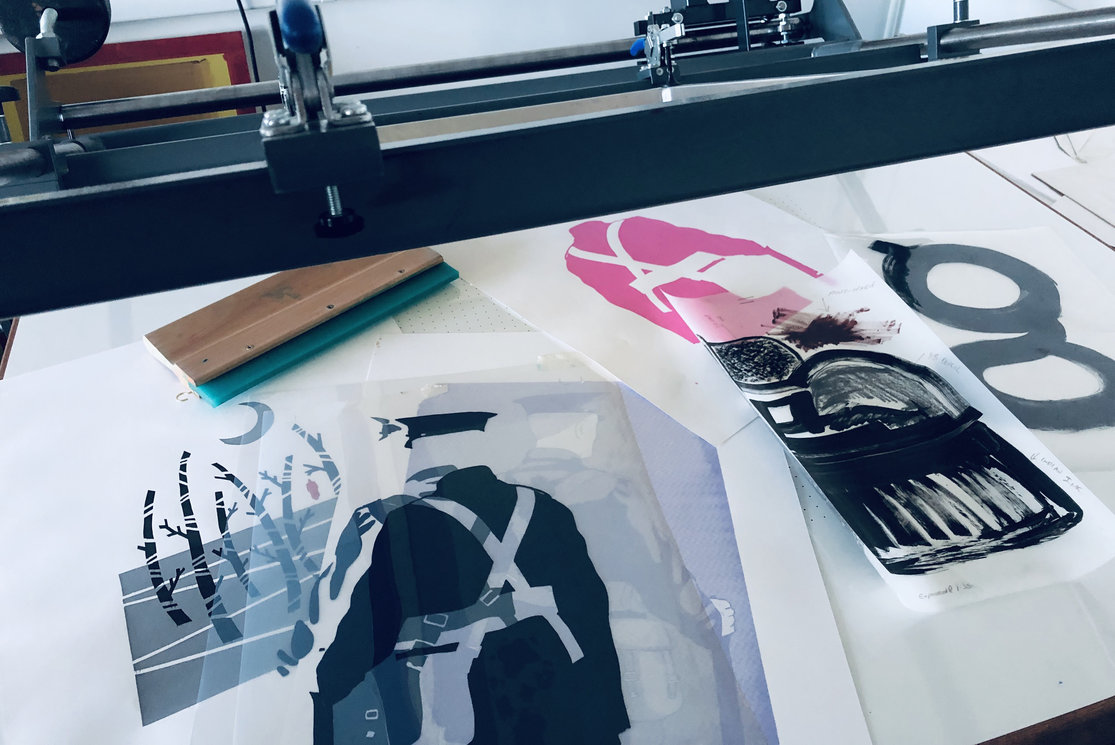
Engage with traditional printmaking methods, producing hand-generated works while exploring materials, techniques and the discipline of thoughtful print practice. - Typography
Discover how typography communicates visually, experimenting with letterforms, hierarchy, and composition to create meaningful, engaging, and expressive. - Illustration
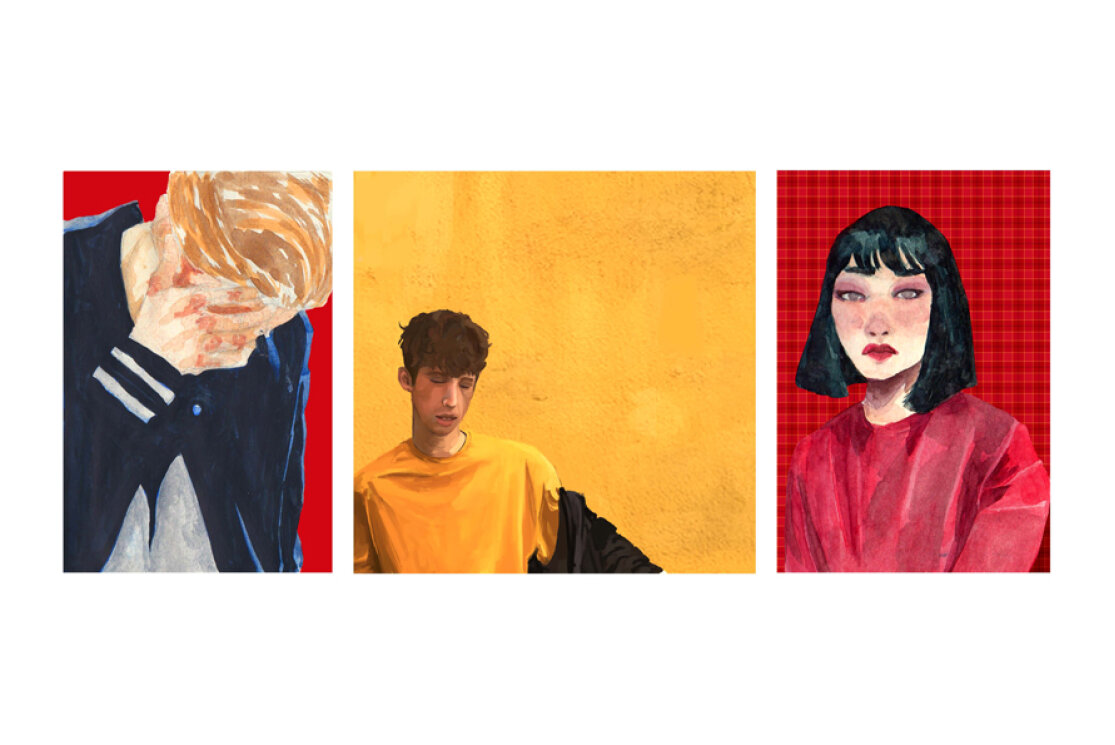
Develop core illustration skills, translating concepts into original visual narratives that demonstrate creativity, technical skill and personal artistic voice. - Developmental drawing
Explore a range of drawing techniques, developing your own style and creating work that expresses your unique voice. - Graded unit 1
Demonstrate Year One skills in a graded project, showcasing creativity, technical ability, problem-solving, and professional-quality illustration outcomes.
In year two you'll study:
- Animation: An intro
Learn the fundamentals of animation, using movement, timing and storytelling to bring illustrations to life with creativity and confidence. - Developmental drawing portfolio
Build a comprehensive portfolio of observational and conceptual drawings, showcasing growth, experimentation and a refined personal illustration style. - Mixed media portfolio
Create a cohesive mixed media portfolio, combining traditional and digital approaches to express complex ideas and develop artistic innovation. - Creative arts project: Development
Apply creative skills in a focused illustration project, developing concepts, refining techniques and producing professional-level artwork with clarity and purpose. - Printmaking in multiple layers
Explore multi-layered printmaking, experimenting with depth, texture and colour while producing detailed, expressive works that reflect technical skill and creativity. - Three Dimensional
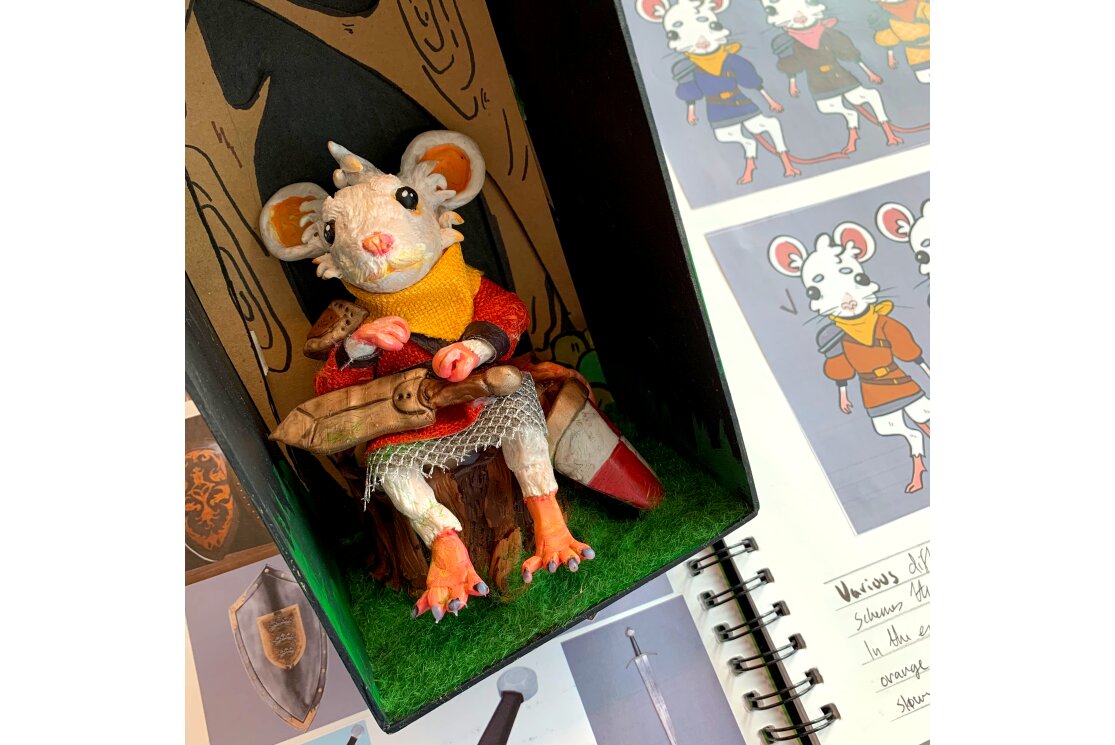
Explore three-dimensional illustration, translating two-dimensional ideas into sculptural forms, installations, or objects that communicate visually and conceptually. - Digital imaging project
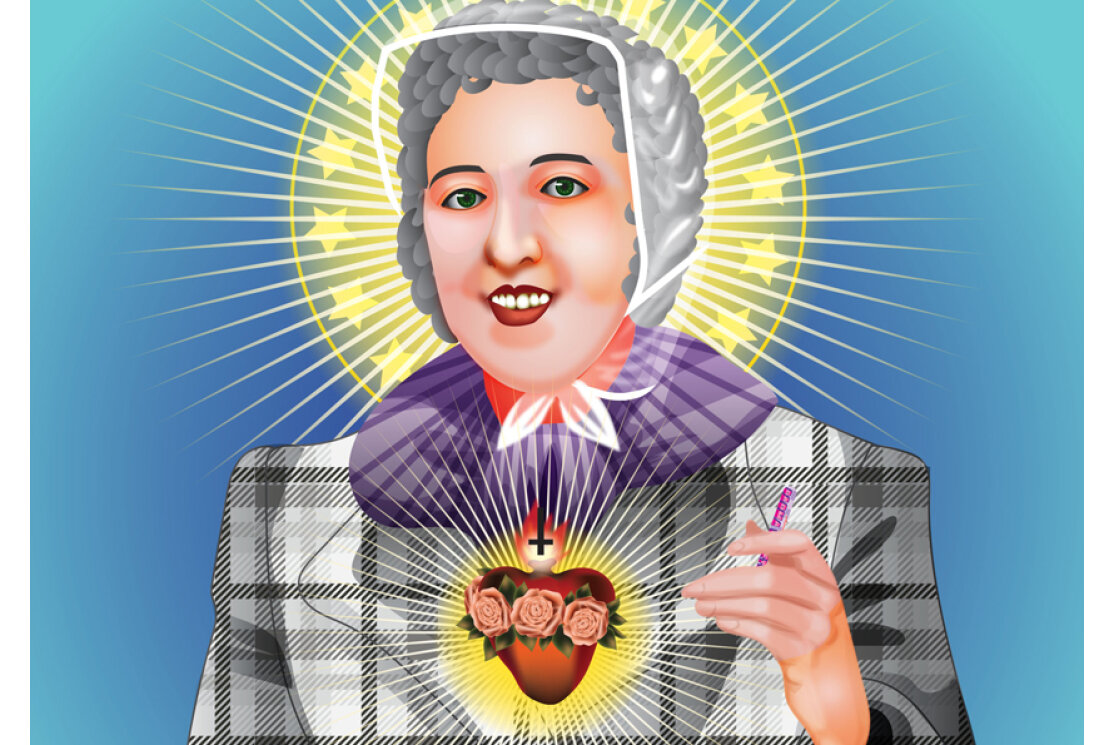
Produce advanced digital illustrations, demonstrating mastery of techniques, innovative approaches and confident communication through digital media. - Graphic design project
Integrate illustration into graphic design contexts, creating visually engaging solutions that combine creativity, clarity and professional presentation. - Graded unit 2
Present a final graded project demonstrating Year Two skills, originality, technical expertise and readiness for professional illustration practice.
For examples of our student work and our blog visit:
Entry requirements (minimum)
Year 1
- NQ / Foundation in Graphic Design and Illustration (Level 6), or equivalent; OR
- One Higher Art and Design at C level or above, or equivalent
- Applications will be considered from those that do not meet the academic requirements if they can demonstrate experience in drawing.
The Scottish Credit and Qualifications (SCQF) Framework can help you to check if you're choosing the right level of study. Take a look at the SCQF Interactive Framework here.
If you do not meet the entry criteria for your chosen course, you may be offered an alternative course in the same subject area.
Employer and industry links
As a department we engage actively with our employer and industry links to ensure that we deliver the right content for our students who move into Higher Education or freelance employment.
You'll be given the opportunity to visit various commercial printers, which will give you hands-on experience in the technical set-up and printing of illustrative work. You'll also enjoy talks from freelance illustrators during your course and will be given briefs that will encourage you to creatively implement both digital and traditional skillsets.
The college also works with contemporary writers who will present live briefs and competition opportunities during your course.
Articulation Routes
Successful students may progress to BA (Hons) Graphic Design at Glasgow Clyde College - subject knowledge and understanding of Typography is essential.
Jobs and further study
Further study in Illustration, animation and digital art could lead to working in the creative industries as an illustrator for the publishing and design industries. Areas of work could include children’s book publishing, editorial, packaging, animation industry, textiles, the games industry, arts and crafts commissions, education and community arts.
Further Study
University of the Arts London (UAL), University of Manchester School of Art, Edinburgh College of Art (Edinburgh University), Edinburgh Napier University, Glasgow Caledonian University, University of Highlands and Islands, University of Creative Arts
Take a look at the course progression map for graphic design and illustration courses.
Making an application
For courses starting in August, you can make up to two applications.
Applications are made to a course and a first choice of campus. If the course is oversubscribed at your first choice you will be automatically considered for alternative sites and may be made an offer without a further application.
I've applied — what happens next?
When you apply
You'll receive an automated email confirming that we have received your application (remember to check your SPAM folder).
Your application will be reviewed by the admissions team and you'll either be:
- Made a direct offer (unconditional or conditional)
- Invited to book an interview session
- Advised that your application is unsuccessful – you have not met the entry requirements for this course and are advised to contact the College Student Advice Centres to discuss alternative options which may be available to you.
- We aim not to reject an application and if you don’t meet the entry requirements you may be referred to a different course or level.
If you are invited to interview, you'll be informed of the outcome of your interview by email within 14 working days. The outcome will be one of the following:
- Unconditional offer of a place – you have met all the entry requirements and your place is guaranteed. You'll be required to accept this offer to secure your place.
- Conditional offer of a place – your place is secured pending you meeting the entry requirements. This may mean achieving school or college qualifications which you may not be able to provide to us yet. You'll be required to accept this offer to secure your conditional place. Once your conditions are met this will change to an unconditional offer of a place which you must accept before you can enrol on the course.
- Waiting list – you have met all entry requirements, and have been interviewed however, the course is now full so you have been placed on a waiting list. If any spaces become available you may be contacted, usually around the course start date. We would advise that you also consider other application options.
- Reserve list – following your interview, you have unfortunately not been successful in this round of recruitment. We have placed your name on a Reserve list and your application may be reconsidered at a later date. This could happen any time up to the start date of the course but it is very possible that you will not be offered a place. We would advise that you also consider other application options.
- Unsuccessful – your interview has been unsuccessful. You may be offered a place on a course at a different level, or advised to contact the College Student Advice Centres to discuss alternative options which may be available to you.
Once an offer is received, you must reply within 14 working days or risk losing your place, as the system will automatically decline your offer after 14 days.
Once you have accepted your offer, you'll be sent out instructions about student funding, joining instructions and induction date.