HND Graphic Design and Creative Technologies
- Location
- Cardonald Campus
- SCQF Level
- 8
- Start Date
- 24 Aug 2026
- Qualification Type
- HND
- Course Type
- Full-Time
- Duration
- 2 Years (August to June)
Course full Now
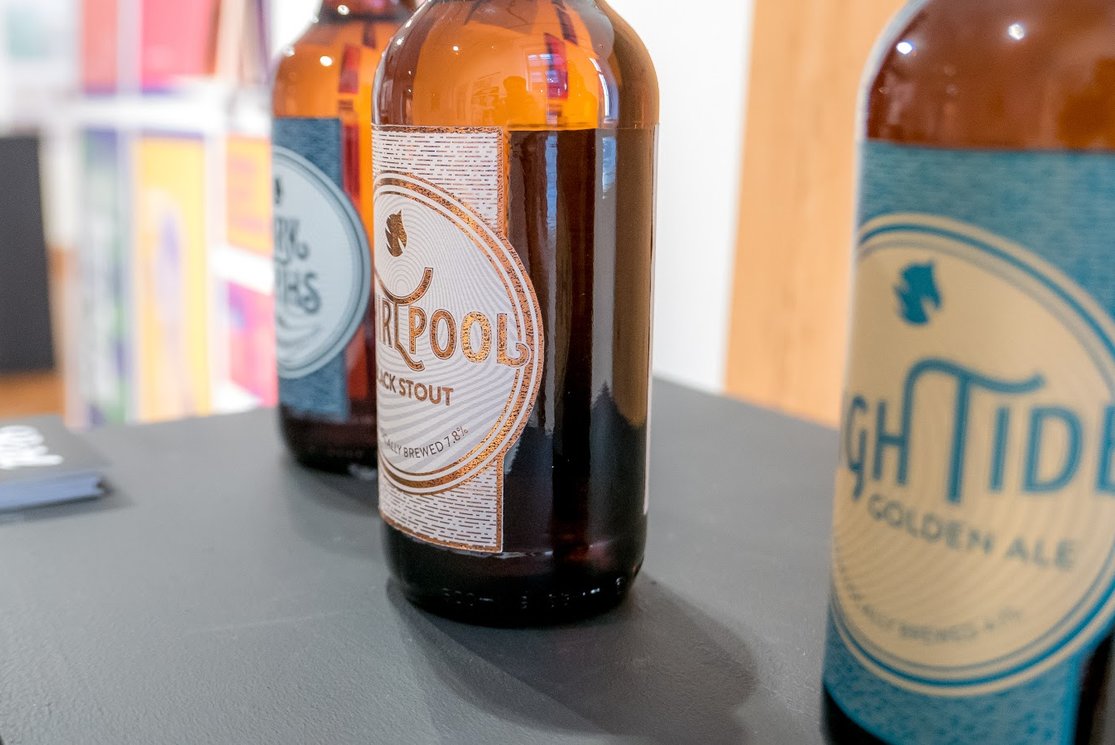
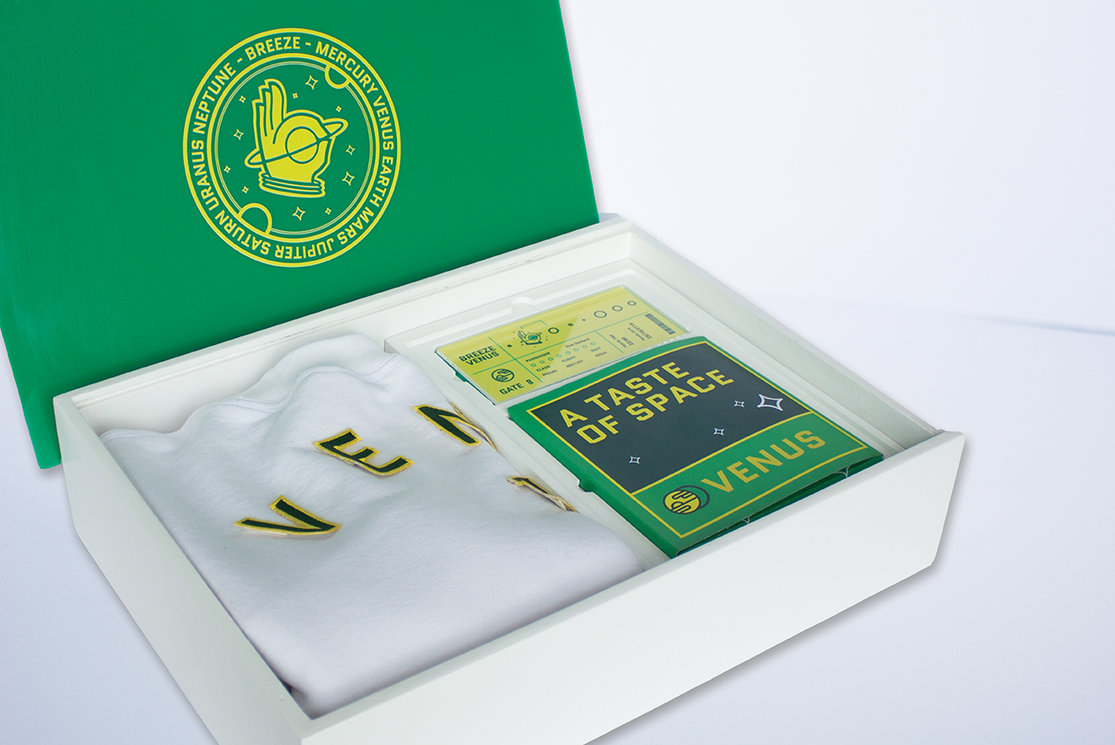
This exciting and innovative Graphic Design course is your pathway to a career driven by ideas, craft, imagination, and visual impact. Whether you’re joining us straight from school or looking to reinvent your career aspirations, you’ll explore how powerful design concepts come to life using both cutting-edge creative technologies and traditional craft techniques.
Successful students can progress to BA (Hons) Graphic Design, validated by the University of the West of Scotland (UWS) and delivered at Glasgow Clyde College. This pathway provides a seamless transition from further education to higher education, supporting your long-term academic and professional development within the creative industries.
What will I learn?
During the HND Graphic Design and Creative Technologies course you'll be immersed in the world of graphic design, from bold first ideas to polished, professional outcomes. This course is all about exploration, experimentation, and pushing creative boundaries. You’ll develop your own visual voice while mastering industry-standard Adobe software, learning how powerful ideas and emerging creative technologies come together to shape the design industry of tomorrow.
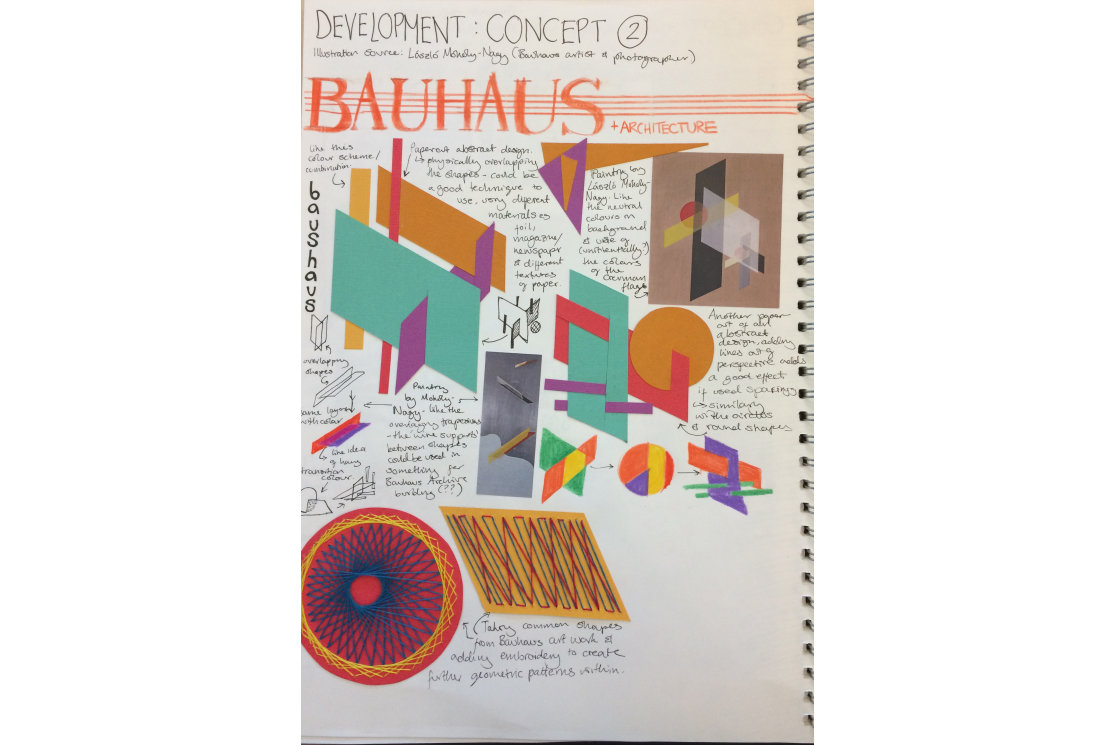
Creativity is at the heart of everything you'll do. You’ll be encouraged to take risks, think differently, and challenge conventions, while building the practical skills and confidence needed for a fast-moving creative career, whether you’re starting out or changing direction.
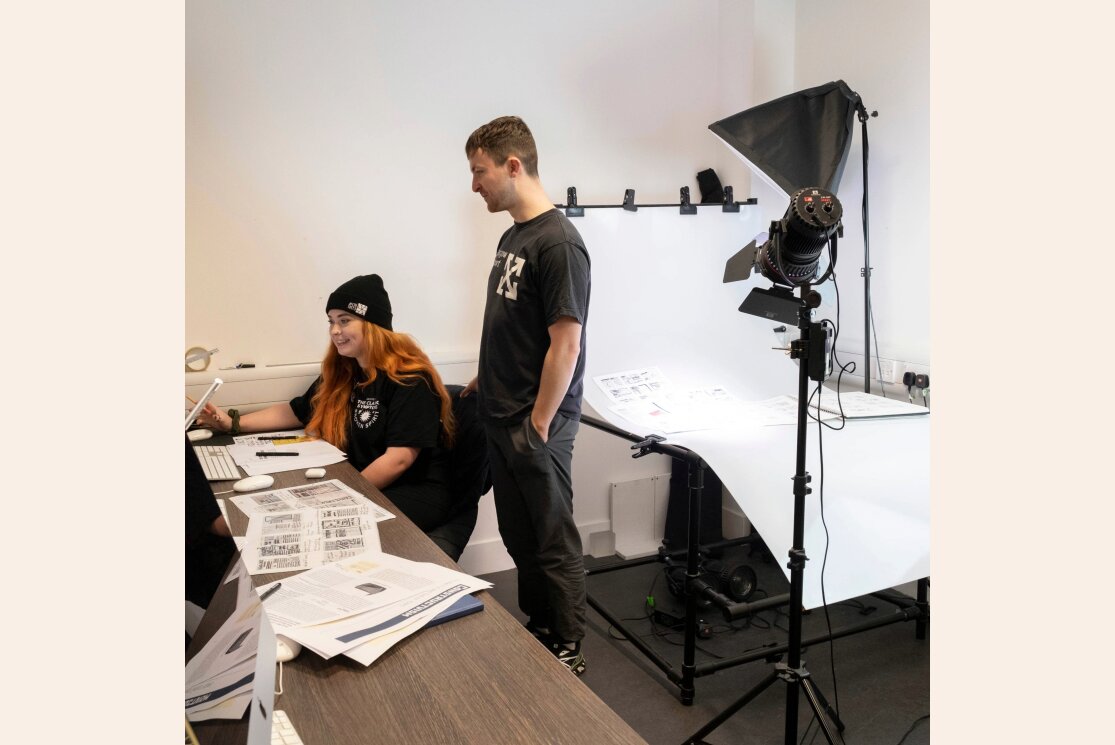
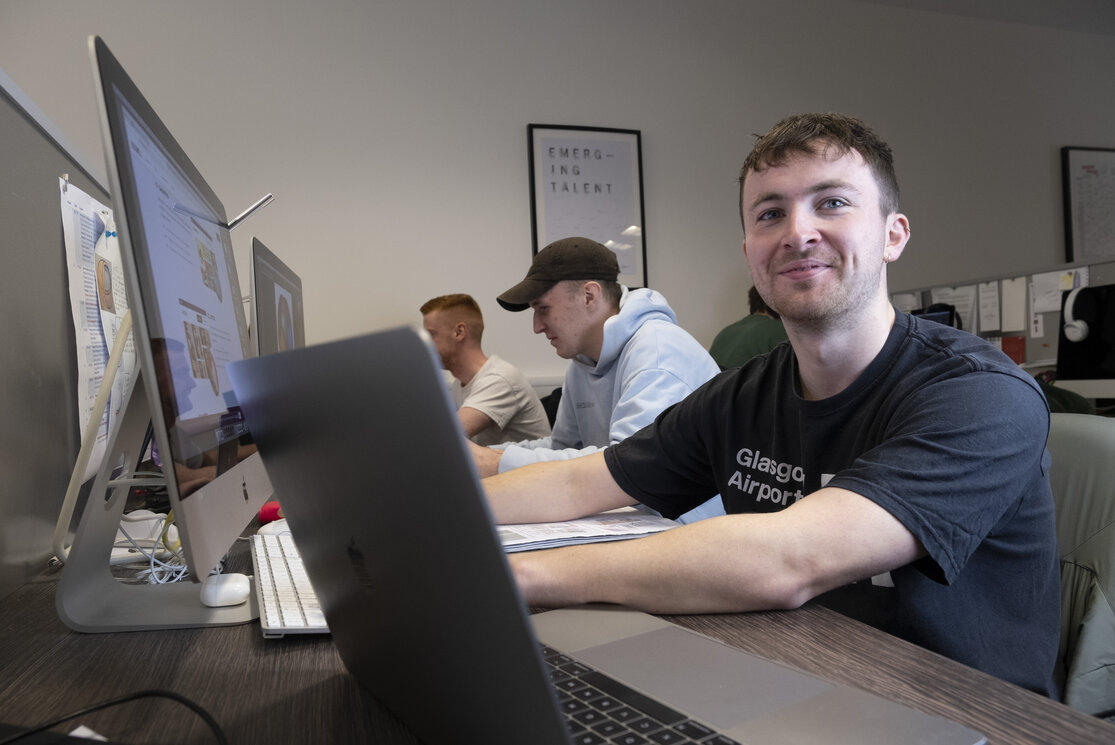
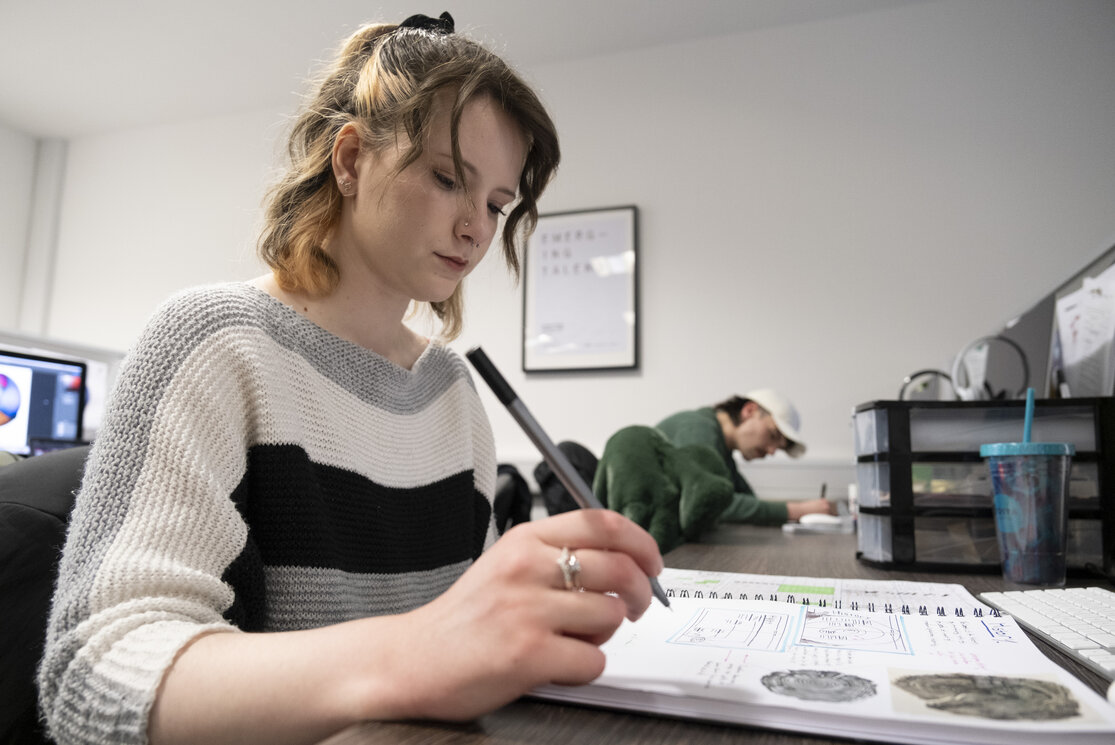
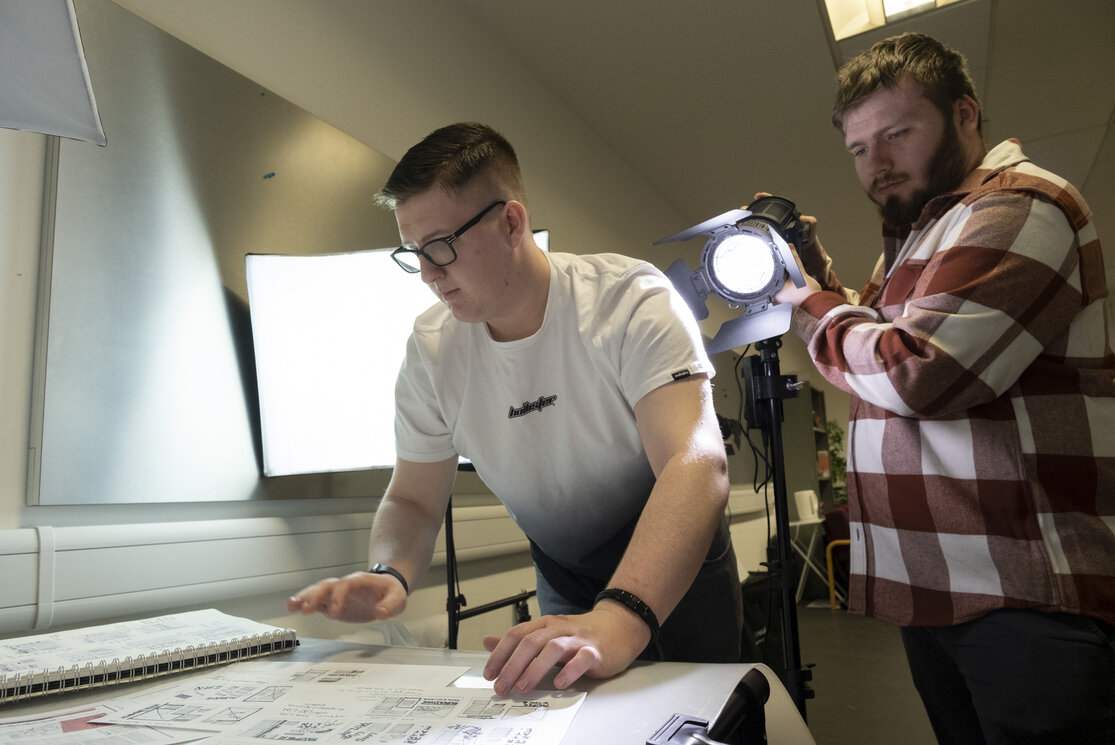
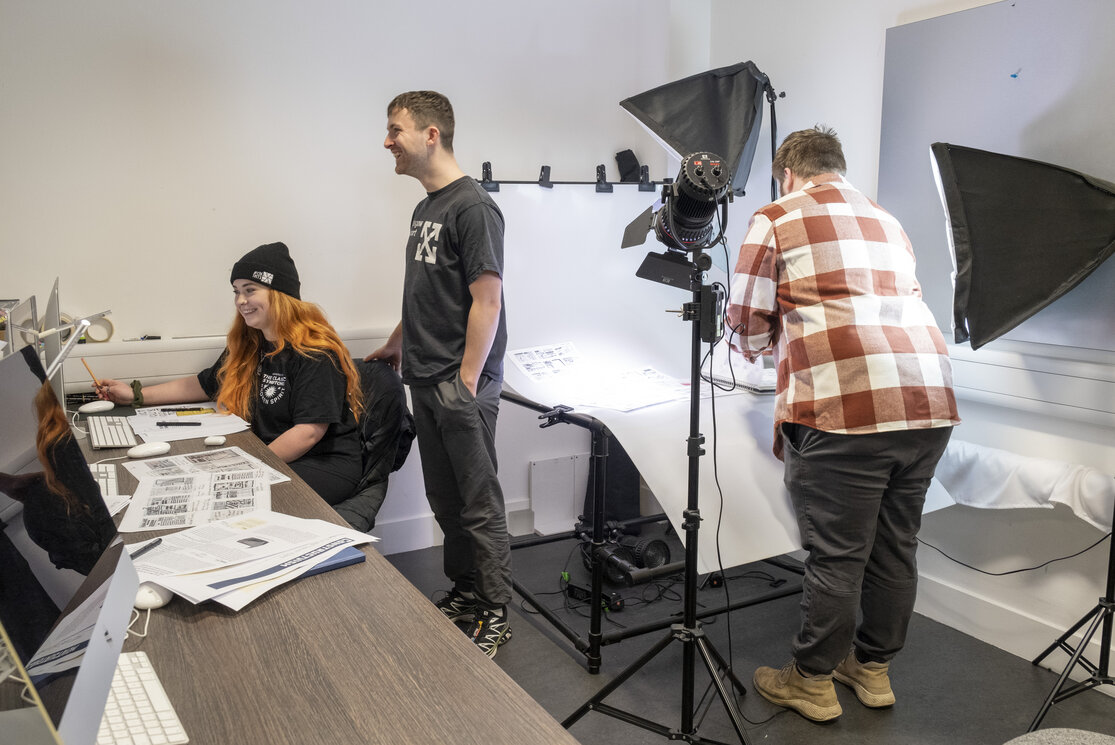
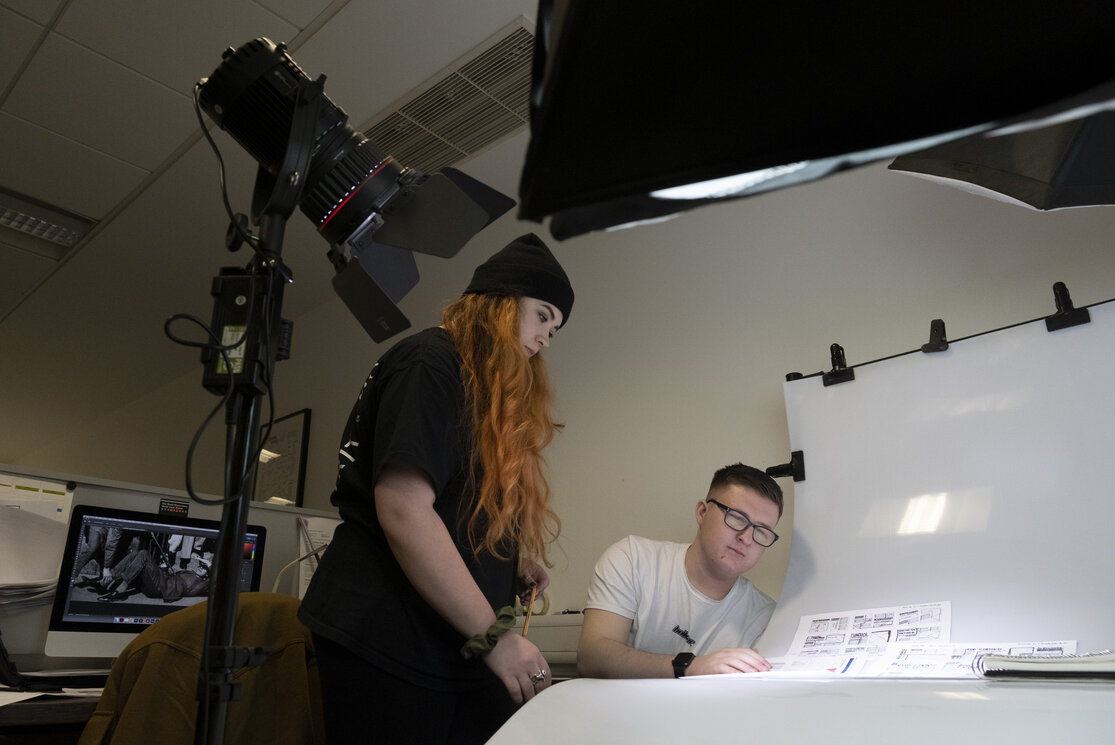
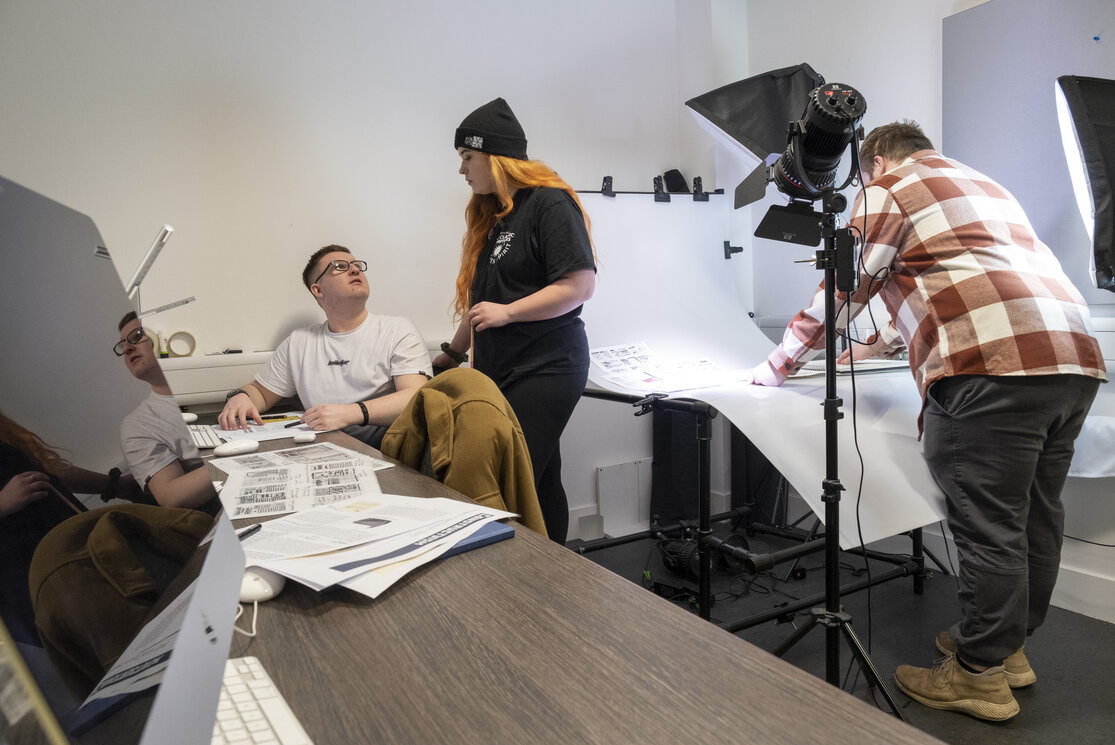
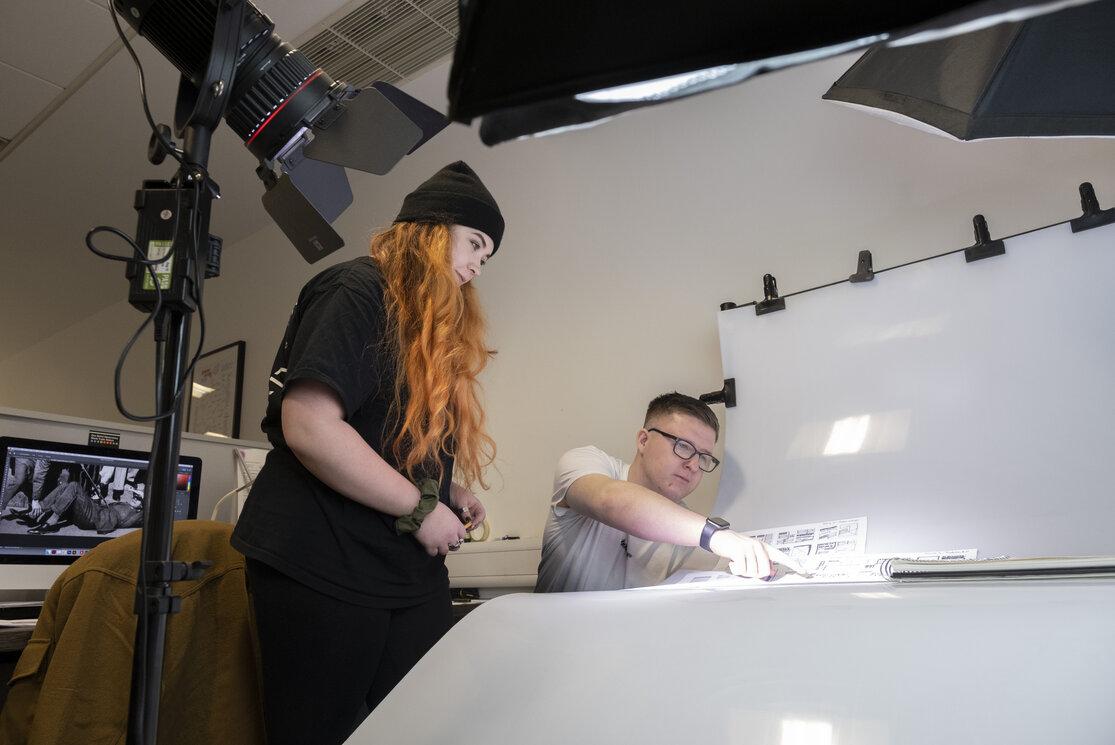
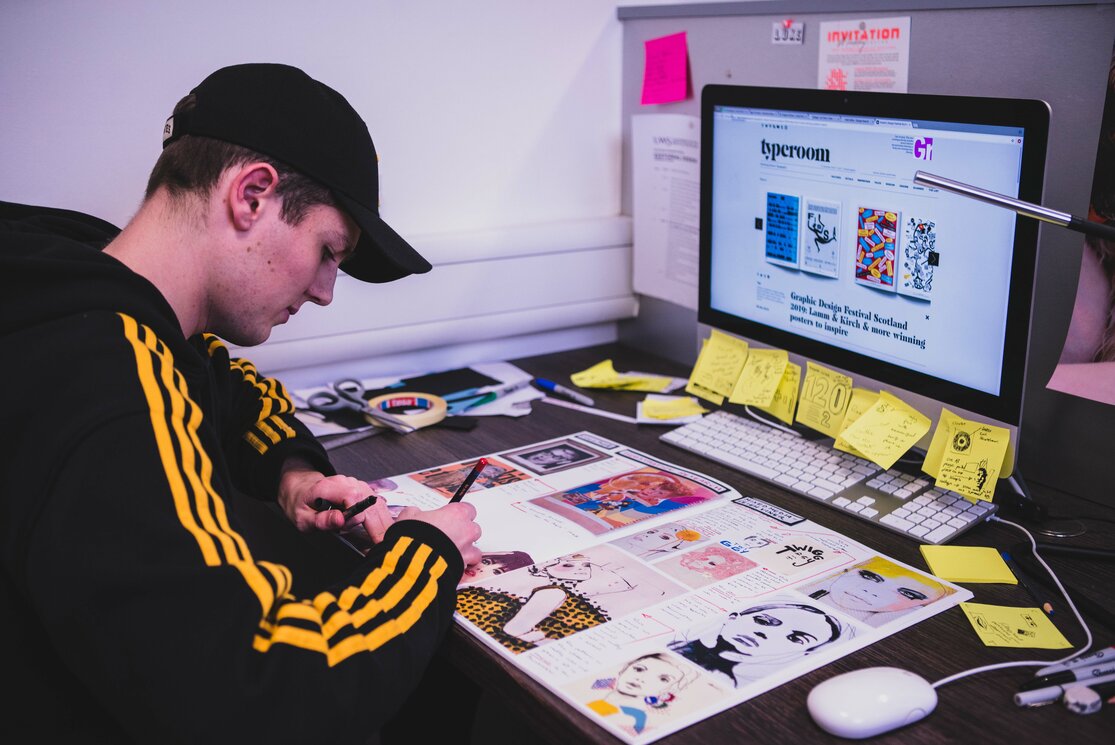
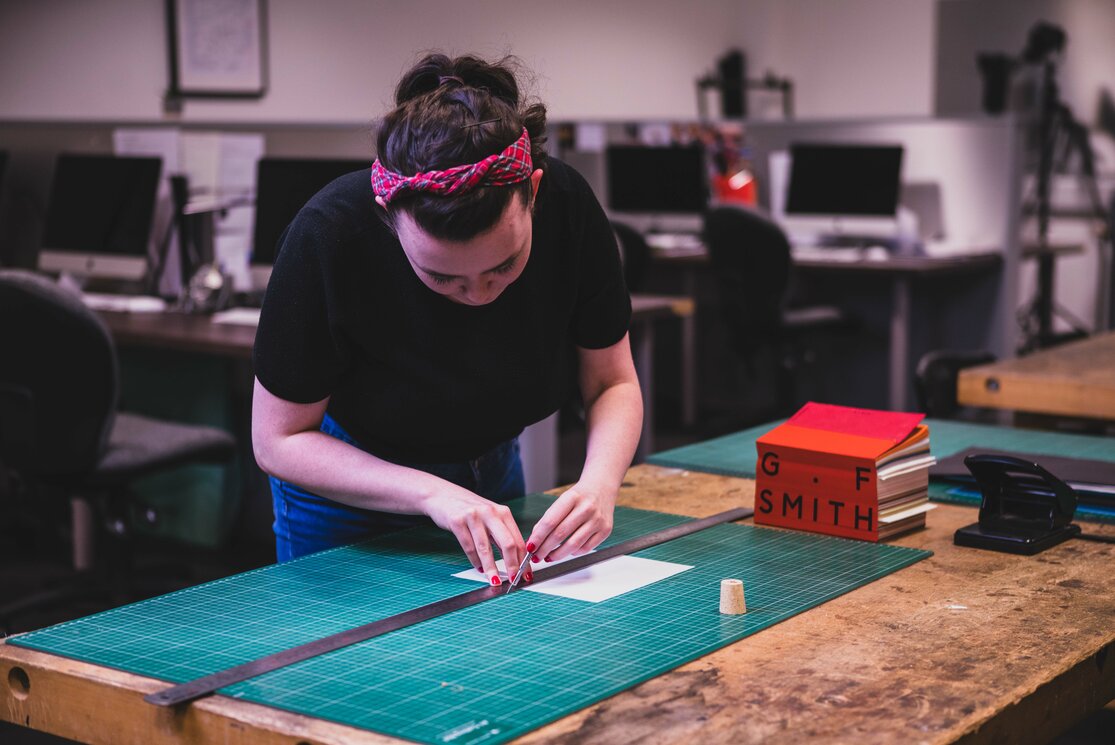
You'll learn in fully equipped Mac-based studios using the latest professional software, giving you an authentic studio experience from day one. With four dedicated design and a specialist printing studio, you'll have space to sketch, experiment, illustrate and produce work using both digital and traditional techniques. From hands-on workshops to tactile printmaking and illustration, these creative spaces allow you to explore every side of the graphic design craft and bring your ideas to life.
If you're passionate about design, curious about technology, and ready to turn creativity into a career, this course gives you the freedom, tools and inspiration to do exactly that.
In year one you'll study:
- Graphic design
Explore creative problem solving through UX UI and motion, designing impactful visuals that communicate ideas clearly and confidently with purpose. - Animation: An introduction
Learn animation fundamentals using After Effects, bringing stories to life through movement, timing, imagination and expressive visual storytelling techniques confidently. - Digital imaging
Develop digital imaging skills with AI tools, creating innovative illustrations and compositions that blend technology, craft, creativity and personal vision boldly. - Printmaking and producing print (traditional hand-generated printing)
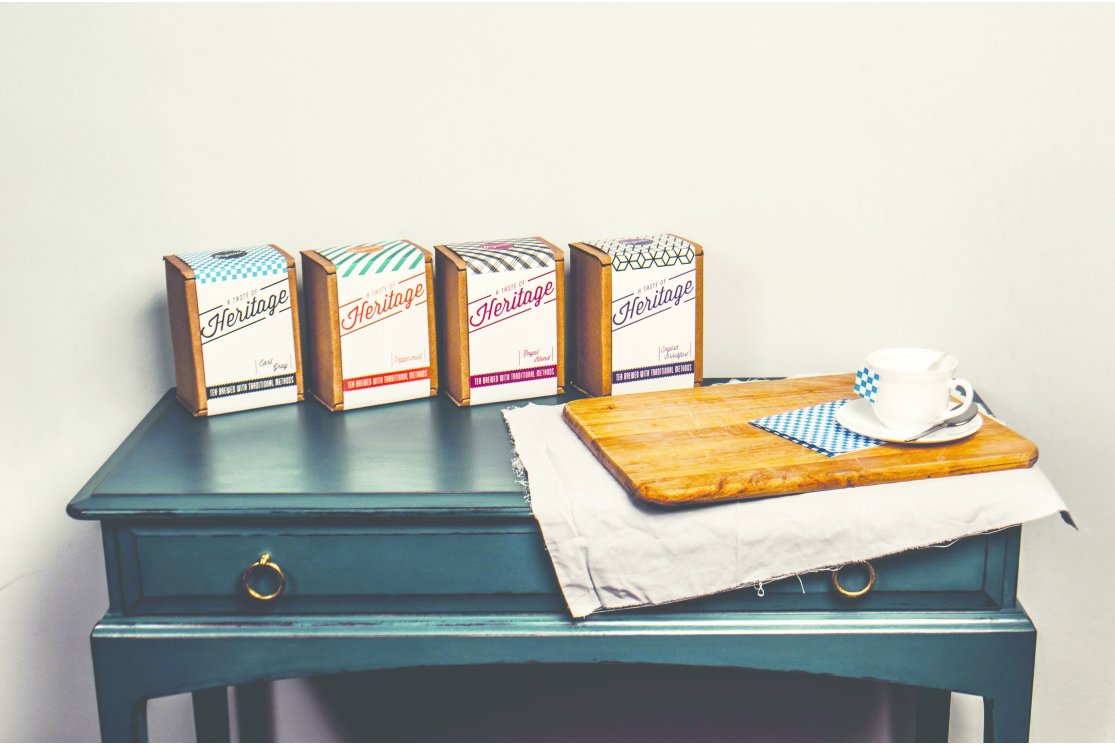
Experience traditional printmaking processes, crafting tactile works by hand while understanding materials, techniques and the discipline of print production practice. - Typography: An introduction
Discover the power of typography, learning new letterforms, hierarchy and spacing shape meaning, mood and effective visual communication across media. - Art and design context
Examine historical and contemporary art contexts, building critical awareness that informs your practice, inspires ideas and strengthens creative decision-making. - Visual Communication: An introduction
Learn core principles of visual communication, translating concepts into compelling messages using imagery, layout, colour and thoughtful design strategies effectively. - Typography
Advance your typographic skills through experimentation, refining precision, expression, and consistency to create confident, professional, and engaging designs for audiences. - Art and design project
Apply your learning in a self-directed project, developing concepts from research to final outcomes with creativity, focus and ambition. - Visual communication: Graded unit 1
Demonstrate your visual communication skills in a graded project, showcasing growth, problem-solving and your ability to meet professional briefs. - Mixed Media (digital meets traditional printing)
Combine digital and traditional techniques, experimenting across media to produce expressive outcomes that celebrate contrast, texture and creative innovation boldly. - Working in the field of visual communication
Gain insight into professional practice, understanding roles, workflows, collaboration, and expectations within the dynamic field of visual communication in today’s industry. - Portfolio production
Develop a polished portfolio that reflects your skills, creativity, and identity, preparing you confidently for further study or industry opportunities.
In year two you'll study:
- Art and design: Digital media project
Push creative boundaries through digital media, developing original concepts that merge technology, experimentation and personal expression with confidence. - Digital imaging project
Refine advanced digital imaging skills, producing visually compelling work that demonstrates control, creativity, and purposeful communication across contemporary platforms. - Client-initiated design project
Respond to real client briefs, balancing creativity and constraints while delivering professional, impactful design solutions through research and collaboration effectively. - Creative project for artists and designers
Explore self-directed creative practice, developing ambitious ideas that reflect identity, experimentation and growing confidence as an emerging designer. - Graphic design project
Create sophisticated graphic design solutions, applying concept development, visual systems and refinement to produce impactful, audience-focused communication work. - Graphic design: Three-dimensional project
Translate graphic ideas into three-dimensional forms, exploring space, structure, materials and visual storytelling beyond traditional two-dimensional formats confidently. - Design production
Master professional production processes, preparing artwork accurately while understanding materials, finishes, workflows, and industry standards for successful final outcomes. - Typography project
Develop expressive typographic work through focused projects, refining strong typographic voices that enhance meaning, identity, and visual impact effectively.
Entry requirements (minimum)
- One Higher in Art and Design, Graphic Communication or Design and Manufacture at grade C or above, or equivalent; OR
- NQ / Foundation in Graphic Design and Illustration or Animation (SCQF Level 6), or equivalent; OR
- NQ Art and Design (SCQF Level 6), or equivalent
- If you do not meet these academic requirements, you may still be considered if you can demonstrate relevant experience in drawing, digital art, or design.
Year 2 Direct Entry
- HNC Graphic Design (with suitable units achieved)
- You should have an interest in studying graphic design and demonstrate this in the personal statement section of the application form.
The Scottish Credit and Qualifications (SCQF) Framework can help you to check if you're choosing the right level of study. Take a look at the SCQF Interactive Framework here.
If you do not meet the entry criteria for your chosen course, you may be offered an alternative course in the same subject area.
Employer and industry links
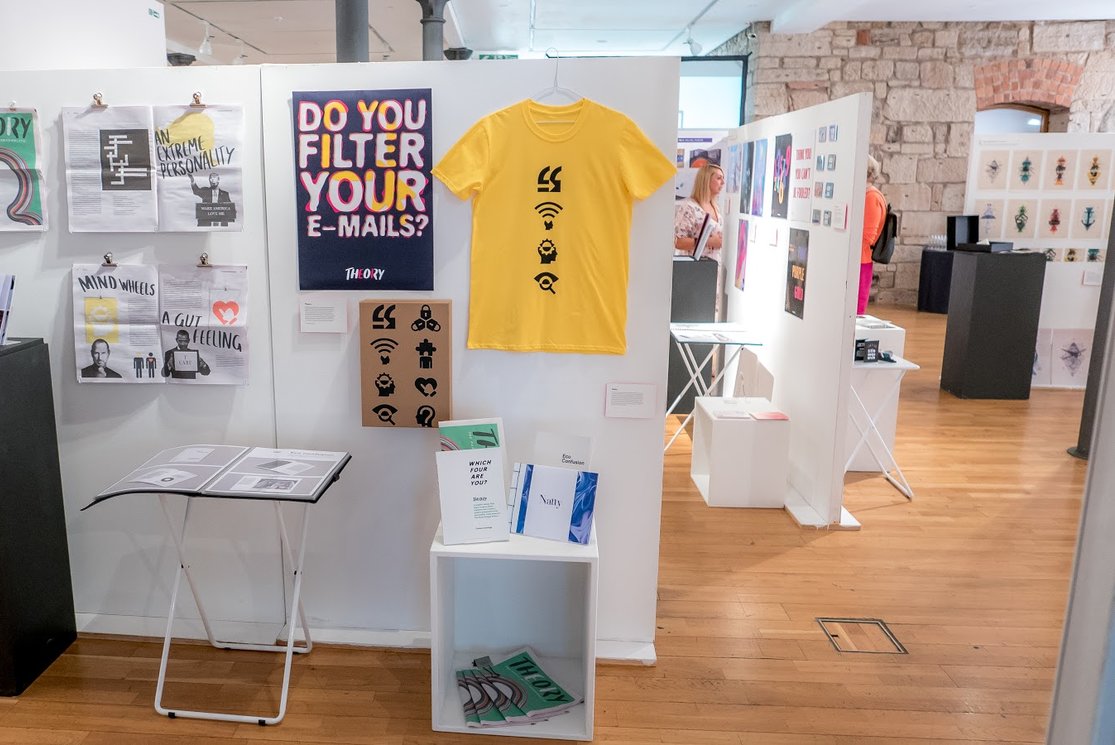
Studying graphic design at Glasgow Clyde College will enable you to work on fresh and interesting live projects, due to our strong links with industry. We work closely with partners and alumni to deliver in-house talks and workshops, giving you a chance to meet designers from within the industry.
Our links with employers are strong, with many returning to us time and time again to place students into full-time employment.
Some of our Alumni include:
Karl Bewick BA (Hons): King Henry Studios London, Graphic Designer
Julia Doogan BA (Hons): Skyscanner, Graphic Designer
Christopher Newton BA (Hons): D8, Graphic Designer
Jade MacFarlane BA: Made Brave, Graphic Designer
Craig Grant: G1 Group, Graphics and Marketing Manager
Fiona Gauld: Caledonian Cowgirl Owner and Designer
Andrew Hankinson: Scottish Fire and Rescue Service, Graphic Designer
Susan Fitzpatrick: NHS Greater Glasgow and Clyde, Senior Designer for Corporate Communications
Articulation Routes
An articulation agreement is in place with BA (Hons) Graphic Design, Glasgow Clyde College, Gray’s School of Art at Robert Gordon University Aberdeen. Successful HND Graphic Design students can progress to year 3 of the BA (Hons) Communication Design degree programme. Entry will be dependent on each institution's entry requirements.
Glasgow Clyde College: BA (Hons) Graphic Design (2 year course)
Glasgow Clyde College application requirements:
- Satisfactory completion of the above HND Graphic Design or HND Illustration
- Grade A or B in the Graded Unit (or relevant industrial experience or portfolio of Graphic Design or Illustration with Typography)
- Attendance at interview
- Portfolio PDF sent as per the BA (Hons) application process.
Jobs and further study
Most of our students progress on to the BA (Hons) Graphic Design at Glasgow Clyde College.
Alternative progression routes include:
- 3rd year entry to BA/BA (Hons) Graphic Design for Digital Media at Glasgow Caledonian University
- 2nd or 3rd year entry to BSc/BA Computer Animation at the University of the West of Scotland
- 2nd year entry to BA Visual Communication at Edinburgh College of Art
- BA Graphic Design at the University of Cumbria
- BA Communication Design at Glasgow School of Art
- BDes Graphic Design at Duncan of Jordanstone College of Art
- BDes Graphic Design at Edinburgh Napier University
- BSc in Web Design and Development at Abertay University.
This course is made for anyone who thrives on creativity and can lead to careers in:
- Art and design
- Graphic communication
- Photography
- Animation
- Digital media
- Design and Manufacture / Design Technology
- Drawing and sketching
Take a look at the course progression map for graphic design and illustration courses.
Making an application
For courses starting in August, you can make up to two applications.
Applications are made to a course and a first choice of campus. If the course is oversubscribed at your first choice you will be automatically considered for alternative sites and may be made an offer without a further application.
I've applied — what happens next?
When you apply
You'll receive an automated email confirming that we have received your application (remember to check your SPAM folder).
Your application will be reviewed by the admissions team and you'll either be:
- Made a direct offer (unconditional or conditional)
- Invited to book an interview session
- Advised that your application is unsuccessful – you have not met the entry requirements for this course and are advised to contact the College Student Advice Centres to discuss alternative options which may be available to you.
- We aim not to reject an application and if you don’t meet the entry requirements you may be referred to a different course or level.
If you are invited to interview, you'll be informed of the outcome of your interview by email within 14 working days. The outcome will be one of the following:
- Unconditional offer of a place – you have met all the entry requirements and your place is guaranteed. You'll be required to accept this offer to secure your place.
- Conditional offer of a place – your place is secured pending you meeting the entry requirements. This may mean achieving school or college qualifications which you may not be able to provide to us yet. You'll be required to accept this offer to secure your conditional place. Once your conditions are met this will change to an unconditional offer of a place which you must accept before you can enrol on the course.
- Waiting list – you have met all entry requirements, and have been interviewed however, the course is now full so you have been placed on a waiting list. If any spaces become available you may be contacted, usually around the course start date. We would advise that you also consider other application options.
- Reserve list – following your interview, you have unfortunately not been successful in this round of recruitment. We have placed your name on a Reserve list and your application may be reconsidered at a later date. This could happen any time up to the start date of the course but it is very possible that you'll not be offered a place. We would advise that you also consider other application options.
- Unsuccessful – your interview has been unsuccessful. You may be offered a place on a course at a different level, or advised to contact the College Student Advice Centres to discuss alternative options which may be available to you.
Once an offer is received, you must reply within 14 working days or risk losing your place, as the system will automatically decline your offer after 14 days.
Once you have accepted your offer, you'll be sent out instructions about student funding, joining instructions and induction date.